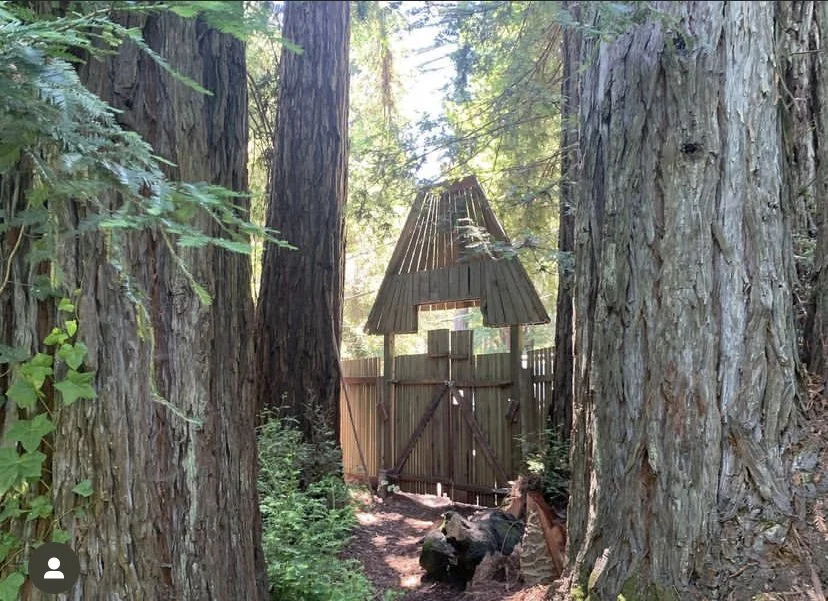
Where progress finds
a place.
Uchi: a Japanese word for home with an emphasis on belonging, family, and inside/interior work.
A project-based residency opportunity in West Sonoma County
Calling all the wonderful artists, writers, architects, designers, horticulturalists, researchers, chefs, builders, carpenters, makers, marketers, and others in our network who have a project they’d like time and space to work on.
In this uncertain time we want to share the idyllic place we steward, to use our land and its stories to inspire new ideas, and to create ways to live gently, thoughtfully, and collectively with all of humanity.
We are piloting a project-based residency at our working botanical garden and adjacent property in Occidental, CA. We are currently offering a short-term pay-to-stay and work/stay option. We are also raising money to subsidize residencies across a range of disciplines in the future.
We will provide housing, work space, and stunning grounds to inspire creativity and productivity.
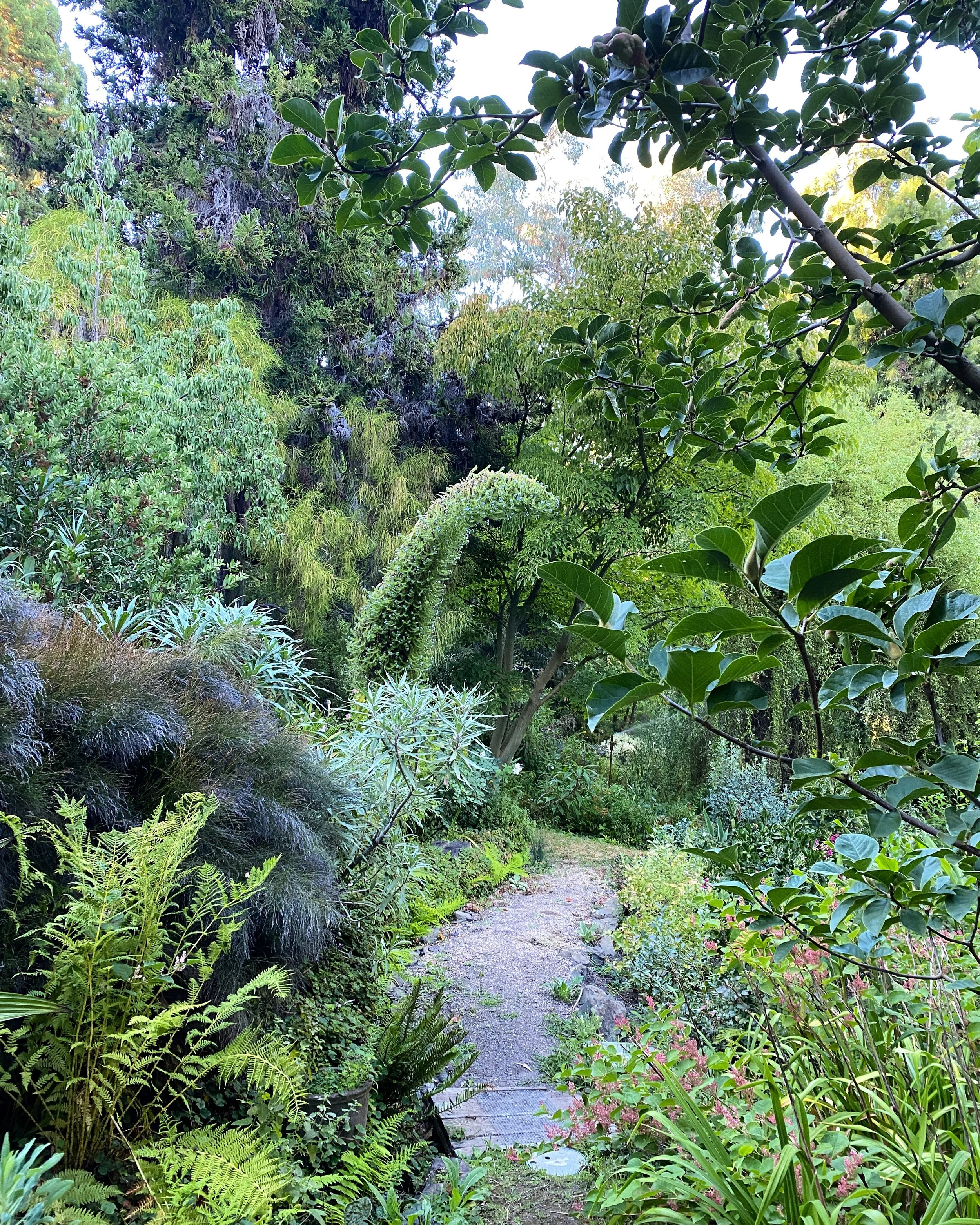
Six acres of pasture, redwoods, and historic botanical gardens to roam, work, and find inspiration.
How residencies work.
Project Uchi offers short-term residencies at Western Hills Garden for artists, writers, researchers, and other creative practitioners seeking focused time in close relationship with place. Residencies are intentionally small, relational, and shaped by care for the land, shared living, and mutual clarity.
-
We currently offer two types of residencies:
Pay-to-stay residencies, where residents cover the cost of lodging and focus on their work
Work/stay residencies, where lodging is exchanged for agreed-upon work, services, or programming
At this time, we are not offering hybrid or open-ended residency models.
-
Pay-to-stay residencies offer uninterrupted time in a quiet, inspiring setting.
Residents cover the cost of lodging and have no obligation to offer programming or services. Some residents choose to share work or engage with the garden community informally, but this is entirely optional and by mutual interest.
-
Work/stay residencies are an exchange.
Lodging is provided in return for work, services, or programming that is agreed upon in advance and aligned with the resident’s practice and the garden’s needs. Contributions may include garden work, workshops or classes, performances, documentation, or other professional or creative services.
We aim for clarity and good-faith alignment rather than tracking hours or assigning rigid values.
-
Not necessarily. Public programs are optional and only happen when there is shared interest and capacity on all sides.
Some residencies include workshops, talks, performances, or installations; others are entirely private and focused on individual work.
-
Residencies are typically one to two weeks in length and are scheduled based on availability, alignment, and capacity.
-
Yes. Western Hills Garden is a living, working landscape and a shared property. Residency spaces include a 2 bedroom/2 bath house, a one bedroom apartment, and a studio garden suite.
Residents are asked to care for the land, buildings, and shared spaces with attentiveness and respect. House rules and a house manual are provided in advance to support easeful shared living.
-
Residencies are offered by invitation or referral and begin with a conversation after an initial inquiry is made via the online form. There is no open application process at this time.
We prioritize alignment with place, timing, and capacity over volume.
-
If Project Uchi feels aligned, we recommend starting by submitting an inquiry form which will be followed by an initial phone conversation. From there, we can explore possibilities and determine together whether a residency feels like a good fit.
-
Project Uchi is not a retreat center, an artist hotel, or an open-access residency program. We are not able to host drop-in stays, last-minute requests, or large groups, and we do not offer open calls at this time.
Residencies are intentionally small, relational, and shaped by capacity, timing, and alignment with place. We prioritize depth, care, and shared understanding over scale or volume.